What Is the Best Strength Training Workout Routine?
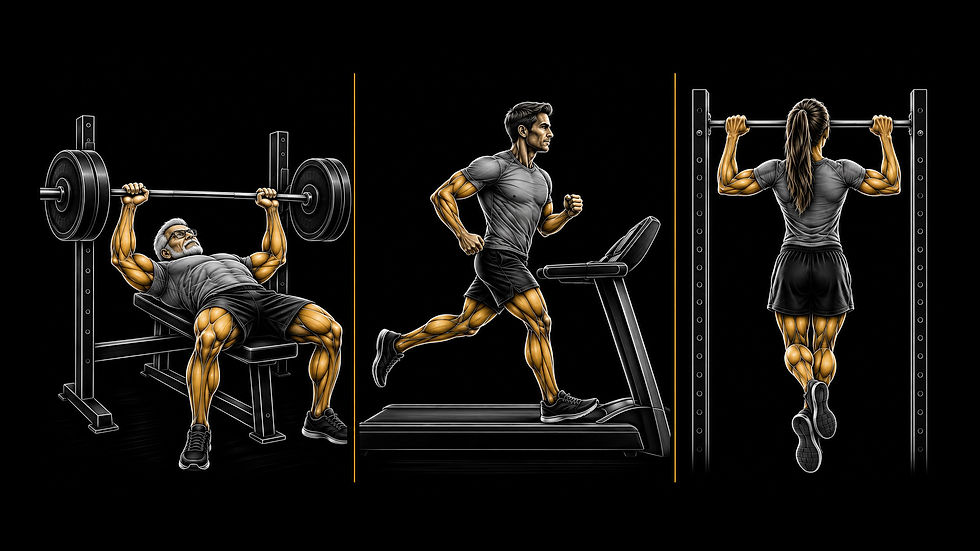
Strength training is one of the most useful things you can do to build and maintain a healthy weight and longevity. Strong shoulders, hips, legs, glutes, core, and back muscles help you lift, carry, climb stairs, exercise, and handle the physical demands of everyday life.
But finding the best strength training workout routine isn't as simple as copying a chest workout from the internet, following someone else's leg day, or choosing exercises because they're popular on social media.
Your body has its own starting point. Your strength, mobility, balance, training experience, medical history, previous injuries, limitations, and goals all affect which exercises make sense for you and how those exercises should progress.
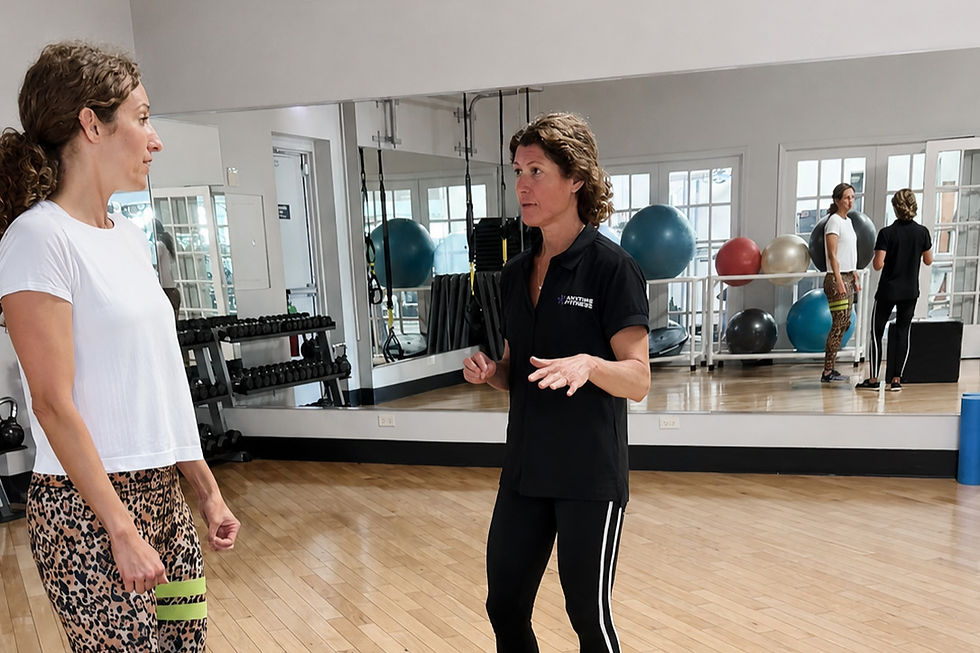
At Starck Fitness, we don't start by handing everyone the same workout routine. We first look at how you move. Your 1-on-1 personal trainer pays attention to your shoulders, elbows, upper back, hips, knees, ankles, core, balance, and overall movement. From there, we build a personalized strength training program around what your body needs.
Below are some of the areas a strength training program may focus on and examples of exercises your personal trainer can incorporate depending on your goals, starting point, movement, and training history.
Upper Body Exercises
Upper-body strength involves much more than building your chest and biceps. Your shoulders, arms, chest, back, and supporting muscles all have to work together when you push, pull, lift, carry, and reach.

Before adding significant resistance, your personal trainer can look at how your shoulders and elbows move, how your shoulder blades function during an exercise, and how well you control a movement. From there, exercises and resistance can be selected and progressed based on what you're ready for.
Depending on your assessment, goals, medical history, current strength, and mobility, your upper-body workout may focus on:
Chest: Pressing and pushing exercises that target the pectoral muscles
Shoulders: Exercises for the deltoids, rotator cuff, and muscles involved in controlled shoulder movement
Upper back: Rows and other pulling movements that strengthen the muscles surrounding and supporting the upper back and shoulder blades
Lats: Pulling exercises such as rows and pulldowns that target the latissimus dorsi
Biceps: Pulling and curling movements that strengthen the front of the upper arm
Triceps: Pressing and extension exercises that strengthen the back of the upper arm
Forearms and grip: Carries, pulling movements, and other exercises that challenge grip and wrist control
Traps: Exercises that strengthen the upper and middle back and contribute to shoulder-blade control
Your strength trainer may incorporate presses, rows, pulldowns, carries, curls, triceps exercises, or other upper-body movements. But the exercise itself is only part of the equation. We first want you to understand what a controlled repetition feels like and how your body should move through the exercise. As your technique, control, and strength improve, your trainer can gradually adjust resistance, repetitions, range of motion, and exercise difficulty. That's a much different approach than assuming everyone needs the same “chest day” or upper-body workout.
Lower Body Exercises
The lower body is another area where the best exercises depend heavily on the person doing them. Some people avoid squats or lunges because they're unsure of their knees, hips, or balance. Others assume a good leg workout has to begin with a heavily loaded barbell.
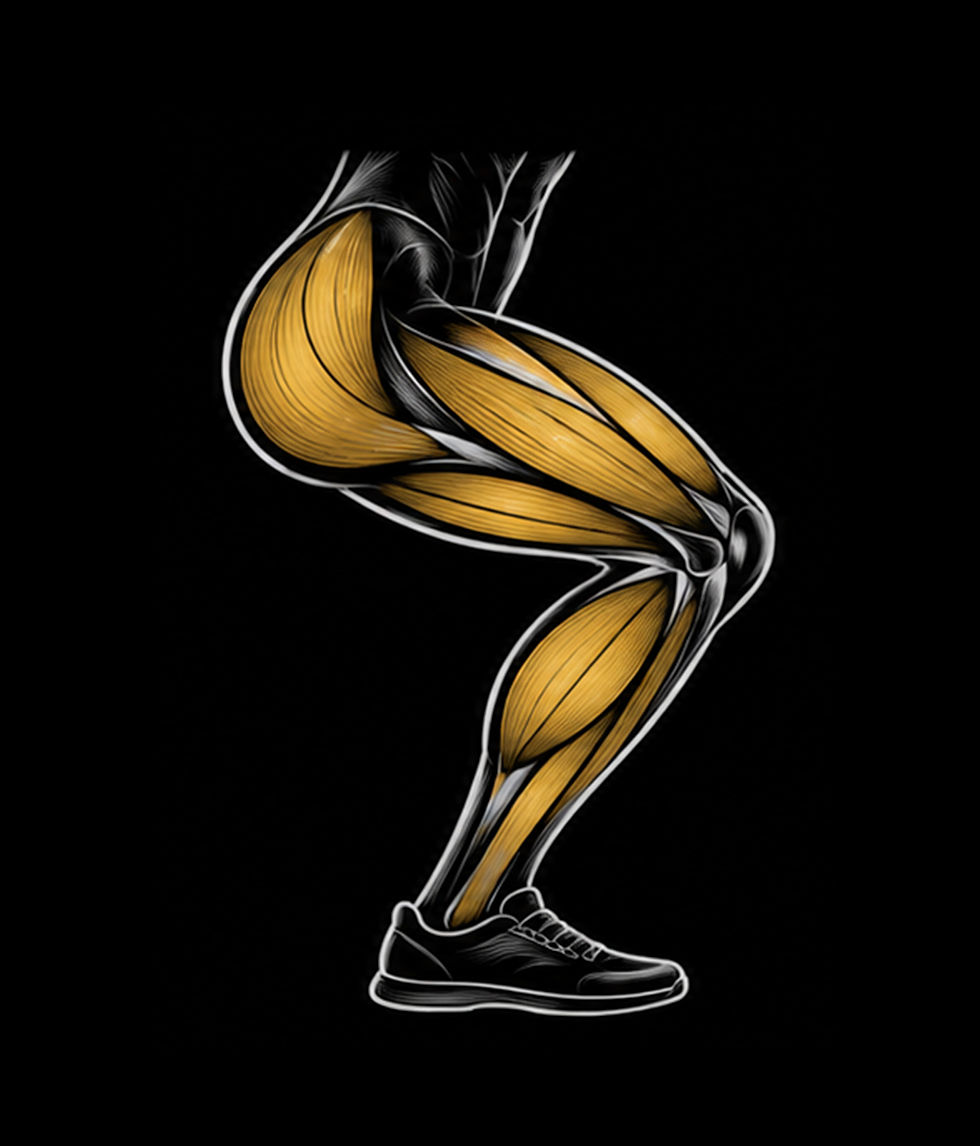
We don't have to start at either extreme. A basic movement such as a squat can give your trainer useful information about how your feet, ankles, knees, hips, and trunk work together. Your current strength, balance, mobility, and control can then help determine which lower-body exercises are appropriate and how quickly they should progress. Depending on your starting point and goals, your lower-body workout may focus on:
Glutes: Squats, hip-extension movements, step-ups, and other exercises that build hip strength and control
Quadriceps: Squats, split squats, lunges, step-ups, and other knee-extension movements
Hamstrings: Hip hinges and other exercises that strengthen the back of the thighs
Calves: Exercises that challenge the muscles involved in ankle movement and push-off
Hips: Movements that develop strength, stability, mobility, and control around the hip
Legs as a whole: Compound movements that require the hips, knees, ankles, and surrounding muscles to work together
Balance and stability: Exercises that challenge your ability to maintain control while standing, stepping, changing position, or eventually adding resistance
Someone might begin with bodyweight squats, supported split squats, step-ups, or basic balance work. As control and strength improve, dumbbells, kettlebells, barbells, greater ranges of motion, or more challenging variations may be introduced. The goal isn't to progress according to an arbitrary workout calendar. The progression should match the person.
Core Strengthening Exercises
Core strengthening often gets reduced to crunches and visible abs, but your core does considerably more than flex your stomach. The muscles around your abdomen, sides, pelvis, and lower back work together to help control your trunk while you push, pull, carry, squat, hinge, rotate, and perform other movements.
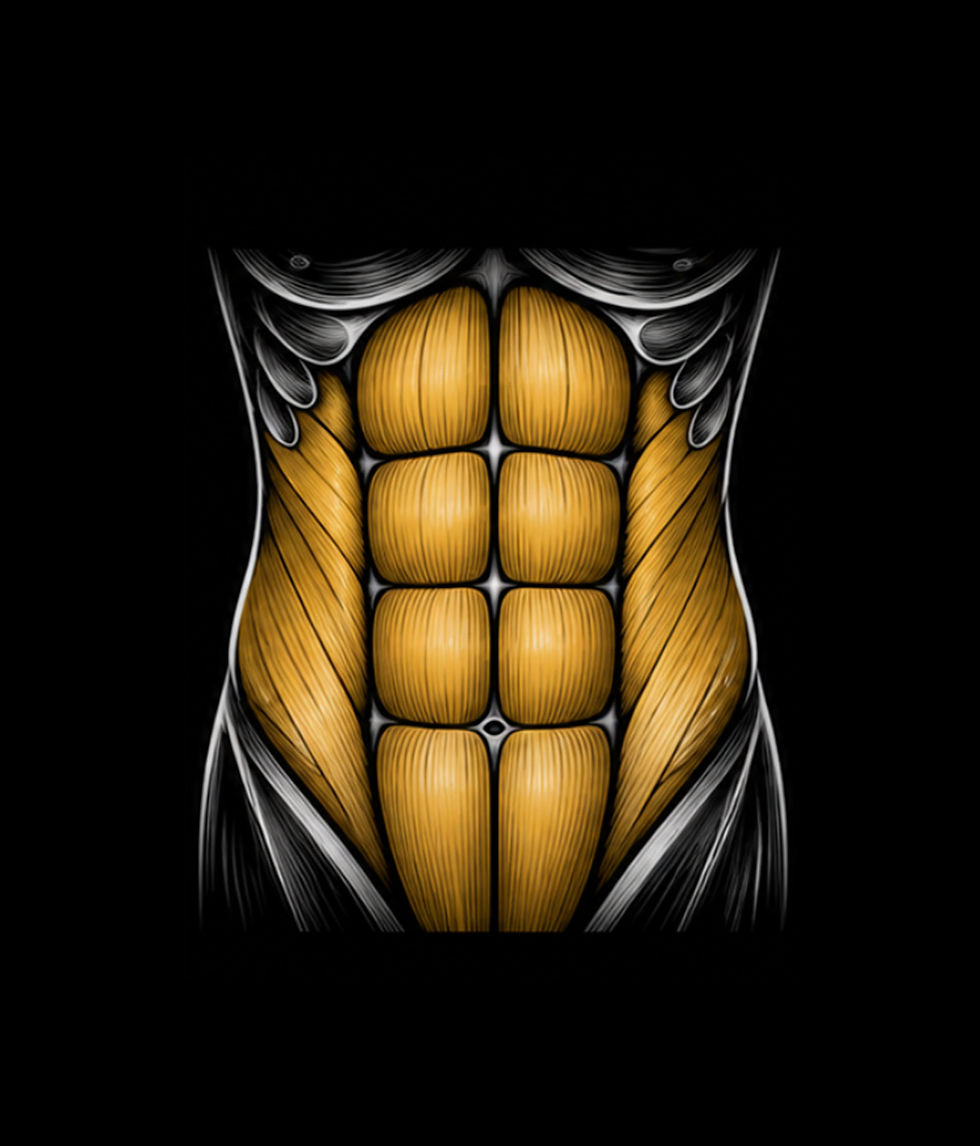
That's why your 1-on-1 personal trainer may approach core strengthening exercises differently depending on your posture, movement, control, current ability, and overall training program. Your core workout may focus on:
Abdominals: Exercises that strengthen the muscles at the front of your trunk
Obliques: Movements that challenge rotational and side-to-side trunk control
Deep core muscles: Exercises designed around maintaining trunk position and stability
Lower back: Appropriate movements that strengthen the muscles supporting and moving the trunk
Anti-rotation: Exercises that challenge you to resist unwanted rotation while maintaining control
Full-core stability: Planks, side planks, carries, and other exercises that require multiple areas of the core to work together
Loaded movement: Carries and other exercises that require the core to stabilize your body while resistance is being moved
For some people, core training might begin with basic stability exercises like stretching. Others may be ready for loaded carries, anti-rotation exercises, or more advanced movements. The goal isn't simply to make your abs burn. It's to develop the strength and control needed for the rest of your training and the movements you perform outside the gym.
Endurance and Cardio Exercises

A complete fitness program isn't necessarily limited to strength exercises. Endurance training challenges your cardiovascular system, including your heart and lungs, and your ability to sustain physical activity over time. But just as there isn't one best strength exercise, there isn't one cardio workout that's right for everyone. Your current conditioning, goals, exercise experience, preferences, and the rest of your training program all matter. Depending on those factors, your trainer may incorporate:
Walking or treadmill work to build cardiovascular endurance at an appropriate pace
Stationary bikes or rowing machines for different forms of cardiovascular conditioning
Cardio intervals that alternate periods of greater and lower effort
HIIT when higher-intensity interval training is appropriate for your current fitness level and goals
Conditioning circuits that combine multiple movements into sustained periods of activity
Loaded carries that combine strength with cardiovascular demand
Mobility and recovery work alongside harder training to create a more balanced overall program
The goal isn't to exhaust you every time you exercise. Your trainer can adjust the type, duration, volume, and intensity of endurance work as your conditioning improves while considering the strength training you're already doing. Some sessions may emphasize strength. Others may include more conditioning, mobility, or cardiovascular work. Your workout routine should function as a complete program rather than a collection of unrelated exercises.
Why Guidance Matters When You're Training Specific Body Parts
Looking at all these individual areas makes something important clear: building an effective workout routine involves more than choosing exercises from a list. Your shoulders affect how you press and pull. Your hips, knees, and ankles influence how you squat and step. Your core helps control your body while you move resistance. Your conditioning affects how much work you can perform and recover from. And those pieces aren't identical from one person to the next.
At Starck Fitness, your personal trainer can:
Watch how your shoulders, elbows, upper back, hips, knees, and ankles move during exercise
Select exercises based on your current ability, goals, medical and training history, and movement
Build strength throughout your upper body, lower body, and core instead of simply chasing isolated muscles
Adjust exercises, resistance, volume, and difficulty as you progress
Incorporate conditioning, mobility, balance, and stability when they're appropriate for your program
Teach you proper form so you understand not only what you're doing, but how you're supposed to do it
Monitor how you're responding to training and make changes instead of forcing you to follow a generic template
That's the difference between simply collecting exercises and following a personalized strength training program. There may not be one universally “best workout routine.” There can, however, be a workout routine that's appropriate for you—your goals, your body, your starting point, and where you want to go.
Frequently Asked Questions
What are the best exercises for upper body?
There is no single ‘best’ upper‑body exercise. The best exercises for your upper body depend on your shoulders, elbows, posture, medical history, and longevity goals. For one person that might be dumbbell presses, rows, and pulldowns; for someone with a bad shoulder it might be more supported rows, careful landmine presses, and a lot of core stability work first. We always start by seeing your mobility then we choose upper‑body exercises that let you train your chest, back, shoulders, and arms without injuring your joints, and progress your plan as your strength and control improve.
What are the best exercises for lower body?
If you’re looking for a list of ‘best’ lower‑body exercises, you’re already missing the most important part: your knees, hips, back, mobility and balance. For some people, the best lower‑body workout might be squats, deadlifts, lunges, and step‑ups. For others recovering from injury, with cranky knees, tight hips, or a history of back pain, it might start with supported squats, hip hinges to a box, glute bridges, and basic balance work. We always look at how you move first. Then we pick lower‑body exercises and stretches that let you train your calves, glutes, thighs, and legs hard without lighting up your joints, and we progress from there.
What are the best exercises for core?
At Starck Fitness, the “best” core or ab exercises start with your spine, posture, and control, not just how hard we can make your abs burn.
Your core is more than visible abs; it includes your lower back and deep trunk muscles working together to keep you stable when you push, pull, squat, or hinge. For some clients, that might mean starting with dead bugs, bird dogs, and basic planks. For others, it may progress to anti‑rotation work, loaded carries, and advanced stability drills.
We look at how your back feels, how you stand, and how you move, then choose core exercises that build stability first, strength second, so your whole body is safer and stronger in the gym and in everyday life.
What are the best exercises for endurance?
At Starck Fitness, the “best” endurance exercises aren’t one magic cardio workout, they’re the ones that match your lungs, joints, and fitness goals so you can actually stick with them. For some people, that might be interval work on a bike, treadmill, or rower. For others, it’s brisk walking, sled pushes, light loaded carries, or simple circuits that combine strength and cardio. If there are knee, hip, or back issues, we’ll lean toward low‑impact options and build up gradually. The key is picking endurance work you can do consistently, at a level your body can recover from, then slowly increasing time, intensity, or distance as your conditioning improves.
Ready for a Custom Workout Plan With a 1-on-1 Personal Trainer?
You don't have to figure out the best combination of upper-body exercises, lower-body exercises, core strengthening, and endurance training on your own. At Starck Fitness, one-on-one personal training starts with an assessment so we can learn about your goals, training history, current ability, and how you move. From there, your personal trainer can build a workout program around you and adjust it as you progress.
Schedule your complimentary fitness assessment with Starck Fitness in Naperville.




%20Performance%20Enhancement%20Specialist%20(PES)%20certif.png)




Comments